
Choices
Time Together
Once a loved one dies, spending time with them as an individual or as a family group will be important.

You will need to consider if this time is to be at the family home, at the funeral home or some other appropriate venue. Once someone dies your relationship with them alters. Spending time with them will assist you to start to understand and adjust to that altered relationship. Time with the deceased prior to the formal funeral are very precious moments, there only a few day in which you can be physically present with your loved one. Being with the deceased is also a time of remembrance, it allows you and your family to recall the rich tapestry of their life.
A meaningful funeral is a series of gatherings of friends and family. Your family may be spread widely across the country or internationally, getting together for a funerals is a time to reacquaint with each other and spend time with the deceased. This time together provides support and comfort to you all.
Music
‘Where words fail music speaks’- Han Christian Andersen

Music is important in many social rituals, it is an especially important part of a meaningful farewell. Music helps us access our feeling, both happy and sad. We often get lost in the moment when listening to music and this can help us focus on our loss and embrace the painful feeling that we are experiencing. Most of us will have at least one special piece of music, or a song, that holds personal meanings for us and our loved ones. These special pieces of music allow us to express our feeling where words have failed us. They also bring back memories of our loved ones that we can share with other friends and relatives, which in turn starts to create a network of support at this important time. Support can also come from those that play instruments or sing, by playing at a meaningful farewell they not only support but also personalise that farewell. Listening to music that expresses our feeling, also helps us to focus on the reality of death and its consequences for us. Finding meaning is not always easy or obvious, music in general, and the lyrics to songs more particularly, can assist in uncovering meaning where at first, we only found pain and anguish.
Our favourite pieces of music or songs are timeless and will be with us all our lives. They bring forward to our consciousness the memories we hold of our loved ones, and over time recalling those memories will be pleasant to us. Music is a tangible connection with the past, a direct link with our loved ones. When death occurs and our loved ones are taken from us, in those precious days before a meaningful farewell, listening to music and experiencing the feelings it brings to us allow us to say hello before we say goodbye.
Readings
Passages of meaningful text, whether religious, spiritual, or just personal to you and your family, offer words of comfort and support.

They often express your feeling in a concise way at a time when you may not be thinking clearly enough to put your feeling on into your own words. Readings that specifically mention death may assist mourners to acknowledge the reality and finality of death and start to understand it a little more. Asking others to do a reading at the service has a way of involving them in the ceremony and providing support for all that are gathered. Readings help mourners embrace their pain which is a key function of a meaningful funeral.
Non-Religious Readings
Secular funeral readings are those that are not associated with a religious context. An example of this type of funeral reading would be an excerpt from a book or play.
Religious Readings
Scripture offers a rich collection of passages that can be used as funeral readings. Your faith and the faith of the deceased will help guide you in selecting appropriate Biblical passages. While you have a great deal of flexibility in deciding what readings to choose, some denominations have preferred selections. Your clergy and funeral director can also help you narrow down your choices.
Eulogies
Eulogies recall and celebrate the life of the deceased.

They tell the story of your loved one’s life. They enable you and those at the funeral to remember and recall your loved one and start to understand and come to terms with the loss you have suffered. Everyone is unique and their story is unique too. A number of those attending the funeral may only know part of the the story and it is good to share the full story with them. This is a time to give thanks for a life well lived and to honour your loved ones memory.
Symbols
Objects, especially those belonging to the deceased, hold special significance. They give a tangible form to our search for meaning in life and death.
Caskets
Although to many the casket or coffin is a symbol of death it is also an opportunity for the family to express their love and respect by choosing something that is appropriate and in keeping with how you will remember your loved one. Morris & Morris have a range of caskets that are made by hand from sustainable materials that reflect our wish to be environmentally conscious.
VIEW CASKETS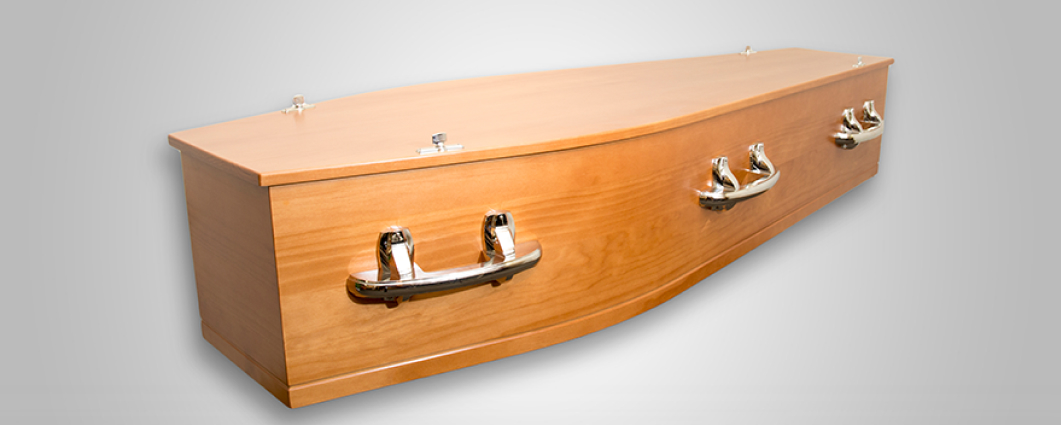
Urns
Urns are often an accompaniment to caskets featuring the same design and material. Following a cremation, the ashes are returned to us for safe keeping. From here, one of our Funeral Directors will get in touch to go through your wishes in relation to uplifting the ashes, or assist you in considering options for memorialisation.
VIEW URNS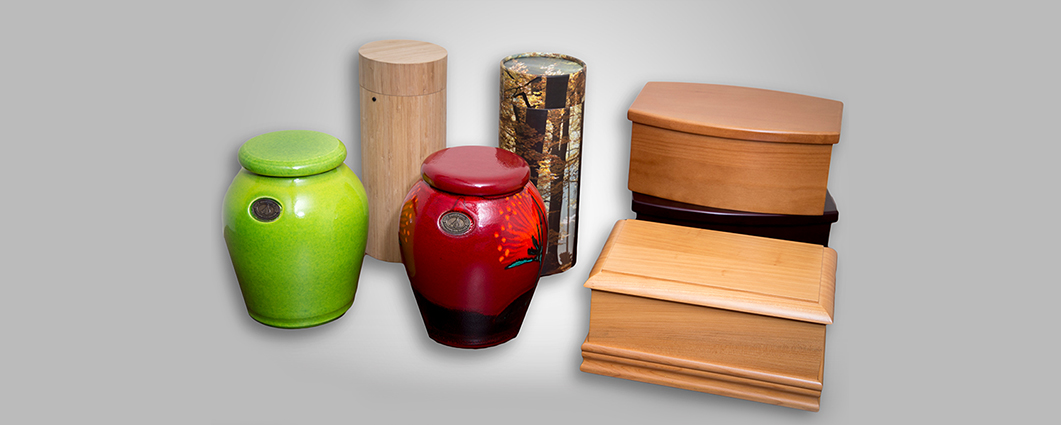
Memories
Creating and sharing memories is one of the primary functions of a meaningful funeral.

Expressing what is in your heart and mind and providing support for one another. Memories are the new relationship you have with your loved one, they have passed from being present in your everyday life to being a memory that you cherish and hold dear to you. By sharing these memories you strengthen the bonds of family and friend, which in turn will give you strength for the times ahead.